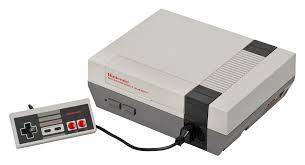
What is the NES?
Short for Nintendo Entertainment System, the NES (also released as the Family Computer in Japan on July 15th, 1983) is an 8-bit home video game console released in test markets in the United States on October 18th, 1985, followed by a nationwide release on September 27th, 1986. It was Nintendo’s first programmable home console that they had ever released, released on the third generation of video game consoles.
It was released in the aftermath of the video game crash of 1983, marketed as an “entertainment system,” “control deck,” or even a “toy” rather than a “video game console” to avoid the stigma of the crash. The release of the NES, with this particular “Trojan Horse” marketing approach, was effective, rebuilt customer trust, and established Nintendo as the dominant market leader. As a whole, it had singlehandedly revitalized the North American video game industry after the video game crash.
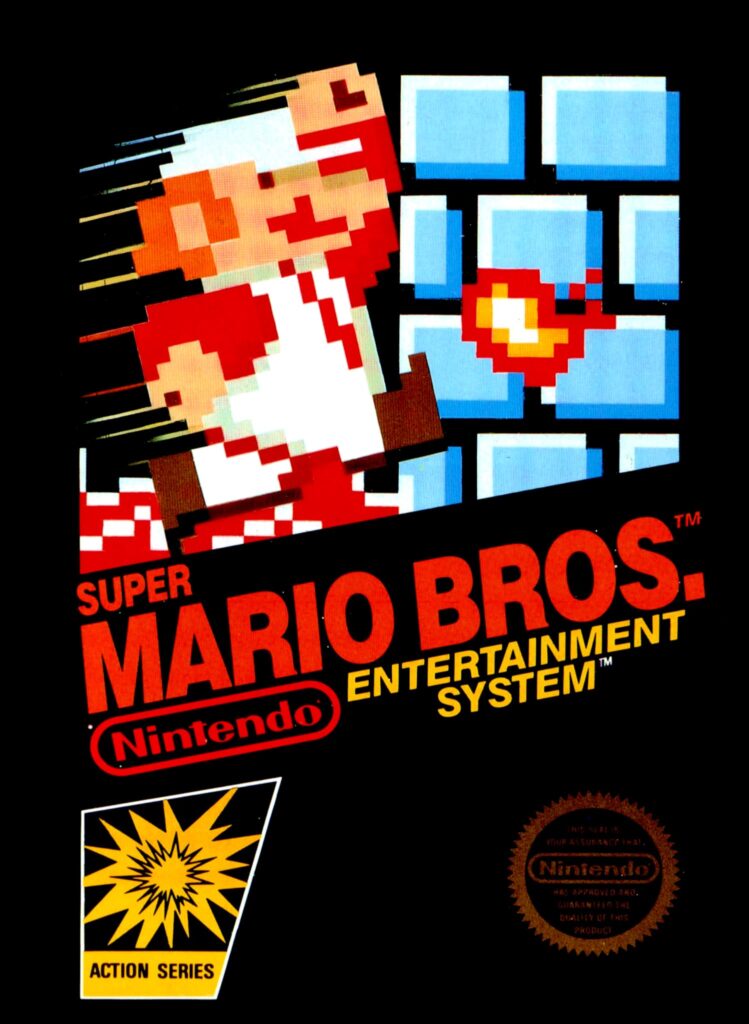
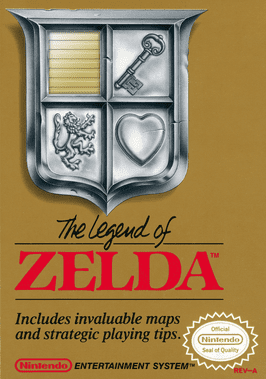
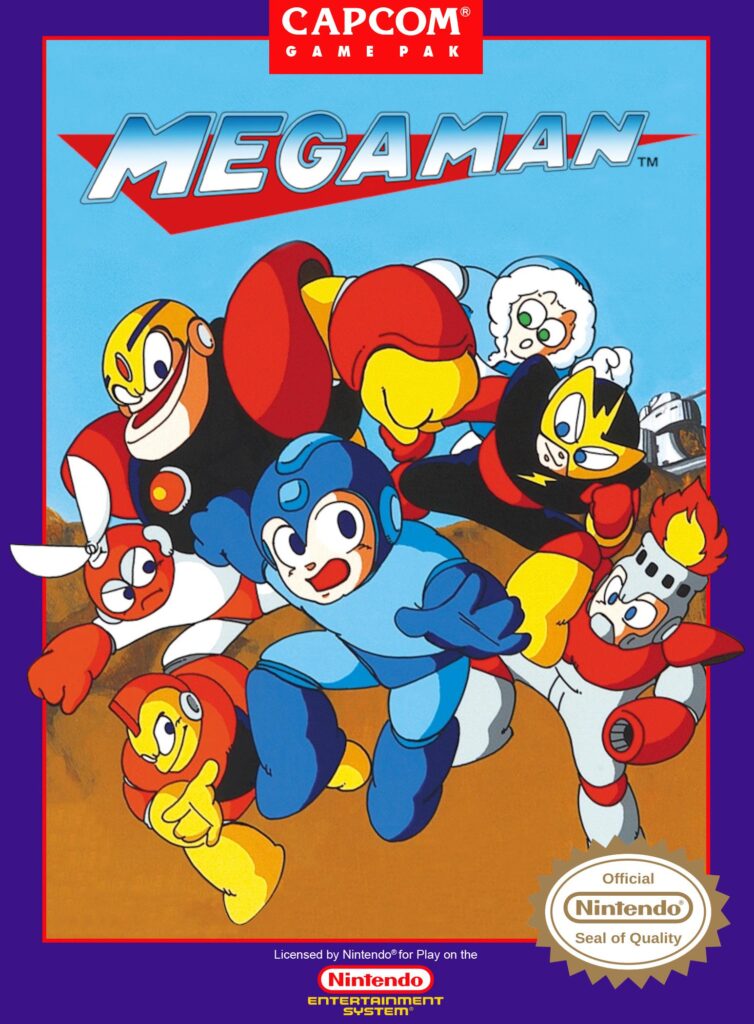
By 1990, the NES was in approximately 38% of households in America, and in 2004, it sold over 61.9 million copies worldwide. The NES also introduced iconic gaming franchises such as Super Mario Bros., The Legend of Zelda, Mega Man, and Metroid. Up until 1995, its popularity continued since its release, and it was a 1980s pop culture classic and remains heavily associated with gaming nostalgia to this very day!
Accessories & Toys
As it was marketed as an entertainment system and a toy rather than a gaming console outright, the NES was supported by an assortment of unique accessories and toys that helped it stand out and enhanced the gameplay experience of a few games. Here is a list of some of the most well-known ones:
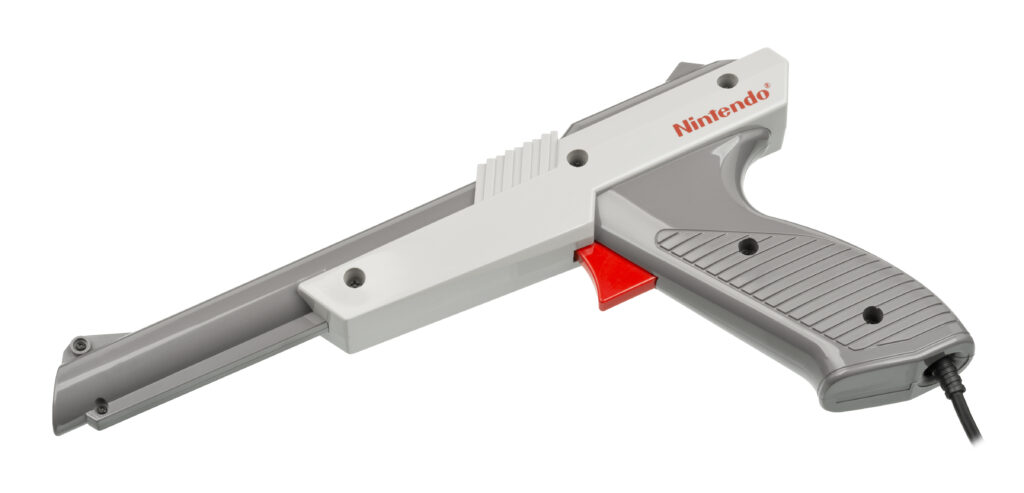
- 1.) The NES Zapper: Arguably the most iconic accessory for the NES, a light gun toy that was primarily used for games like Duck Hunt and Hogan’s Alley. The Zapper allowed players to interact with these games by shooting at their CRT TV screens, flashing the screen black and then drawing a bright white box over the target. Unfortunately, despite its popularity and how iconic it was, it was only compatible with 16-17 games that were designed for it in mind, and it does not function on modern television screens like LCD or LED due to their processing images too slowly.
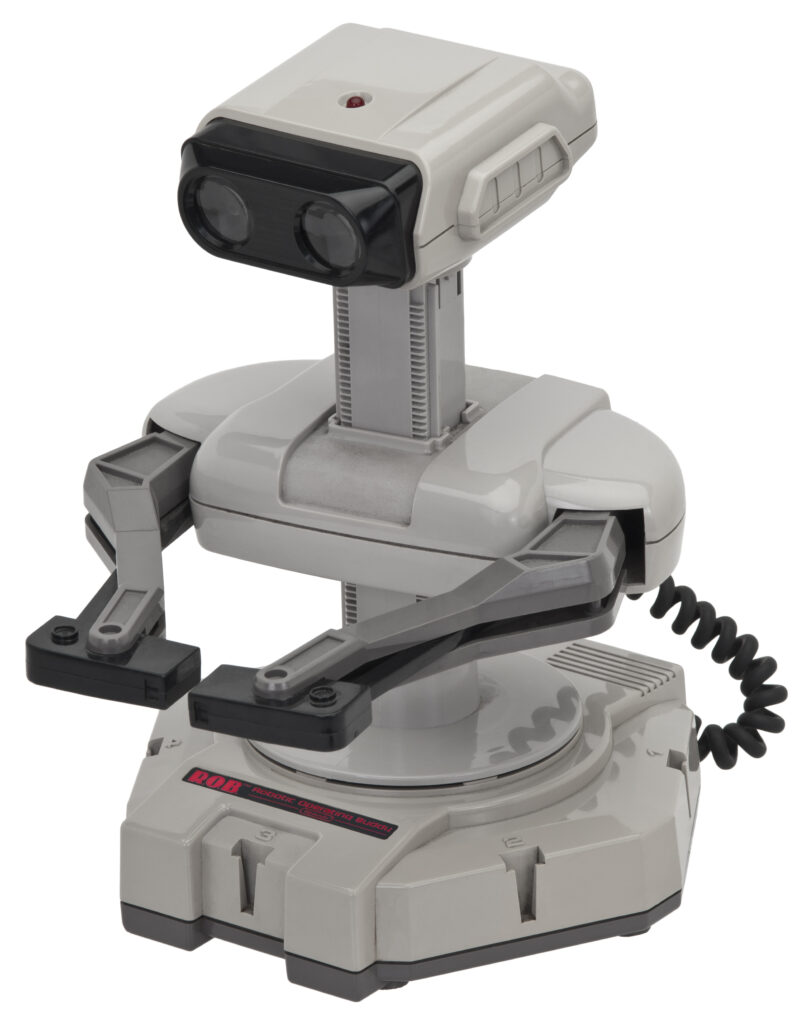
- 2.) Robotic Operating Buddy: Also short for R.O.B., it was a toy robot accessory that worked with only two NES games, Gyromite and Stack-Up. In those games, he served as a substitute for a second player. Despite his lack of popularity and very limited use, R.O.B. was used to market the NES as a “toy” and was key to its launch and success in 1985.
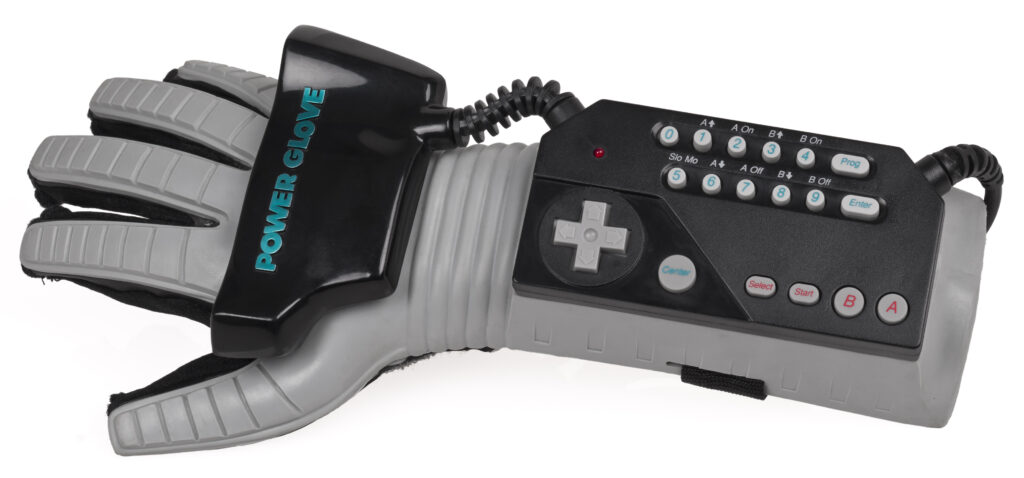
- 3.) The Power Glove: Released in 1989, the Power Glove was a wearable motion-controlled accessory that utilized ultrasonic sensors that detected hand gestures and translated them into on-screen movements. It also included a keypad on its forearm that allowed for programming and charging button firing rates. While it worked for essentially any NES game, the only two that were specifically designed for the Power Glove in mind were Super Glove Ball and Bad Street Brawler. While it wasn’t particularly popular at the time and was criticized for its poor and unresponsive performance and nature, the glove remained highly collectable and famous in pop culture, still carrying some use and new life by hobbyists in the modern day.
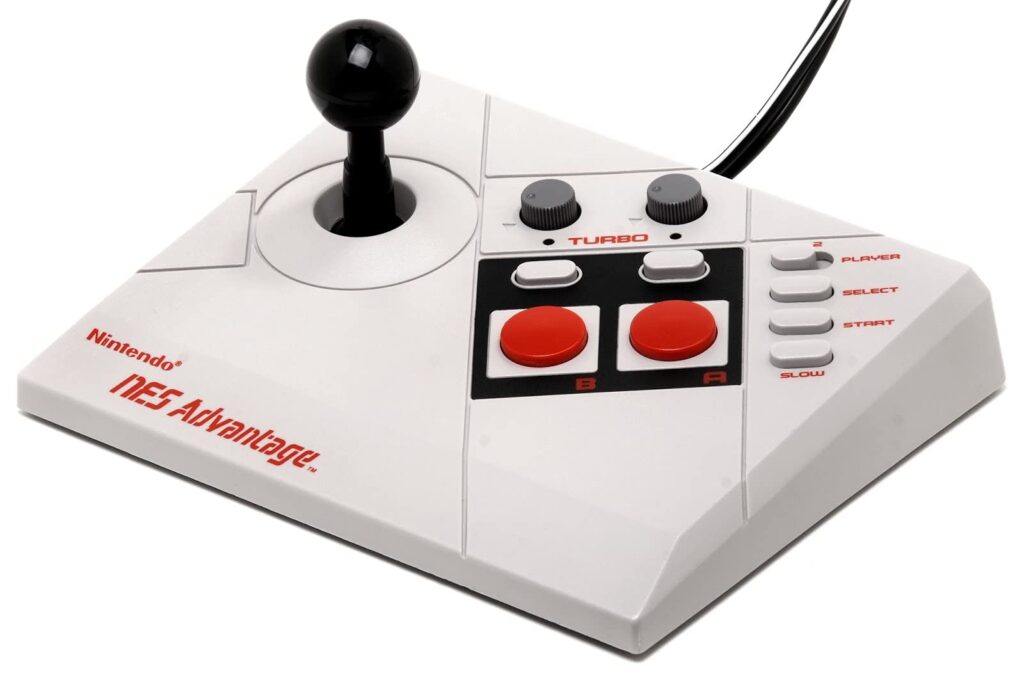
- 4.) NES Advantage: Finally, the NES Advantage was a third-party, arcade-styled controller for the NES that was specially designed to imitate an arcade-like feel for a player on some games like Kung Fu and Double Dragon. The controller also included turbo buttons and a rapid pause toggle to handle more difficult points of certain games. Unique to this controller, the texture is notably rubbery compared to the plastic feeling of other controllers and accessories.
NES Fun Facts!
- As mentioned earlier in this page, the NES is called the Famicom (short for family computer) in Japan. They are functionally identical and can play the same games, albeit with some aesthetic differences and a few technical differences.
- The NES was designed to look similar to a VCR to combat the stigma of the video game crash of 1983, appearing like a normal electronic device when toy stores were reluctant to sell video games at the time.
- Nintendo introduced strict quality control measures for the NES, including the “seal of quality” to ensure that their games met certain standards.
- The game cartridges that the NES had were considered revolutionary at the time because they allowed for more advanced and flexible gaming experiences, with their games easy and versatile to swap around compared to older systems.
- Many of the games in the NES’s library featured music that remains iconic in gaming culture to this very day, even when there was limited hardware to use for developing music for these games at the time!
Click the button for a surprise and unique Nintendo fun fact!
Page Links!